

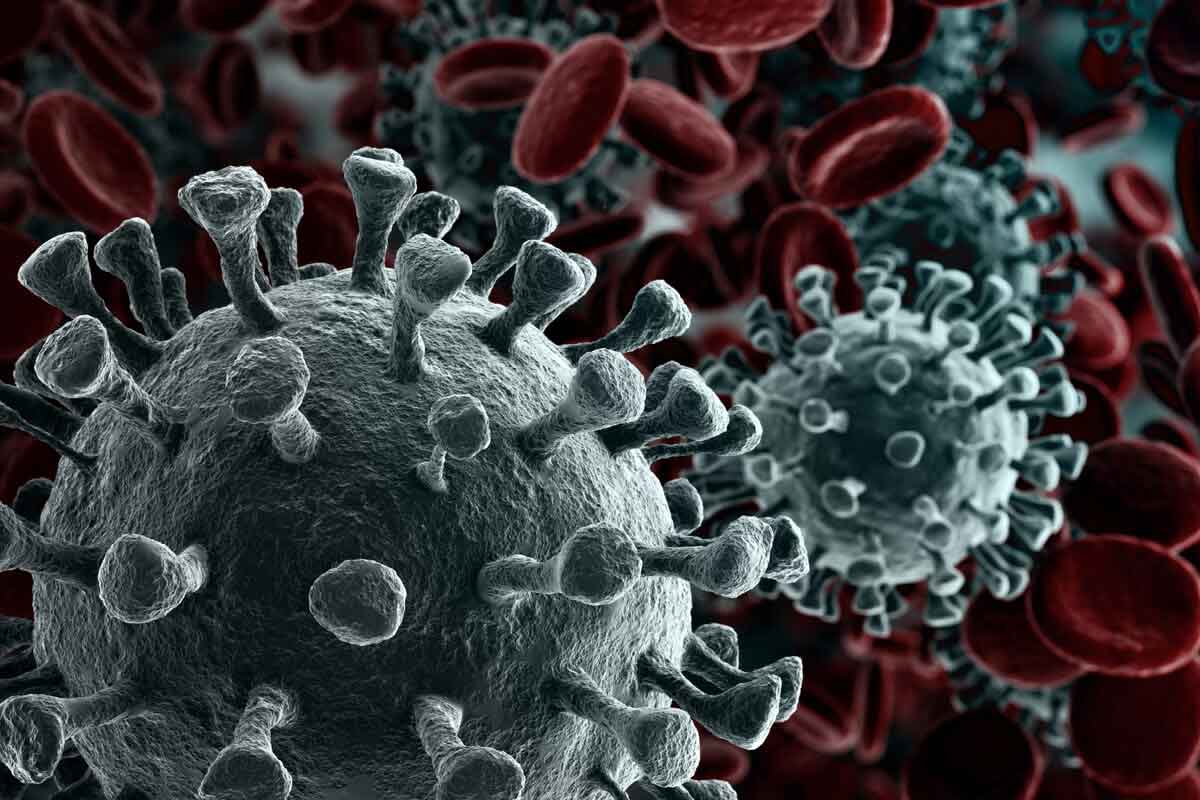
 A coronavirus (COVID-19) is a kind of common virus that causes an infection in your nose, sinuses, or upper throat. The virus spreads primarily through contact with an infected person when they cough or sneeze. It also spreads when a person touches a surface or object that has the virus on it, then touches their eyes, nose, or mouth. The disease then causes a respiratory illness (like the flu) with symptoms such as coughing, fever, and in more severe cases, difficulties breathing. You can protect yourself by washing your hands frequently with running water and soap for at least 20 seconds, then sanitizing them with a sanitizer containing at least 60 percent alcohol. Avoid touching your face, and avoid close contact (2 meters or 6 feet) with people who are unwell. This means that we need to practice social distancing to ensure safety.
 Social distancing – the phrase sounds grim, but what does it mean exactly? The phrase social distancing means keeping a safe distance (approximately 2 meters). In other words, we need to stay away from close contact with others. With the implementation of the 21 days lockdown, we have more people at home, which may make self-distancing more challenging, particularly for those living with extended family members. Please ensure self-distancing if you need to go out to the supermarket or a medical facility. The lockdown implemented by the president of South African is a measure intended to slow down the spread of the virus. Human beings are social beings by nature and therefore wired for proximity to each other. Social distancing may be challenging, unnatural and have a significant psychological impact on people.
 Fear and anxiety: it is very normal to have some fear around contracting the virus or even spreading COVID 19 and so it is important to know the facts. Going out to get food supplies may also cause some anxiety and so when you have all the facts about the virus and how to guard against contracting the virus while you out, this will give you some ease and eliminate some of that worry and fear. So here are some current facts: the virus is not airborne but rather contagious; the virus spreads before anyone knows they are sick or shows symptoms of being infected so it’s important to keep a safe distance from others; the virus lives on surfaces a while (a day on cardboards and two to three days on plastics or steel) so sanitise surfaces as often as possible.
  Depression and boredom: we are now on day 12 of the 21 days of the country’s lockdown period and many of us have been classified as non-essential workers and are therefore on lockdown at home. This means that our normal daily routines have been completely disrupted and so for many of us boredom is starting to set in as we are starting to run out of ways to entertain ourselves whilst housebound. The disconnection to social interaction and physical connection may lead to emotional isolation and a sense of hopelessness for others as there’s a sense of loss of control on both the situation and one’s own life. For those already experiencing psychological difficulties, social distancing may elevate their feelings of hopelessness thus causing more depressive symptoms or even sinking into a deeper depression. It is therefore important to be mindful of any emotional and psychological changes during this period and to seek intervention immediately by contacting various online and telephonic psychological services or seek hospitalisation. Anger, frustration or irritability: At this point some amount of anger, frustration and irritability may start to set in for many people. Reasons can include financial worries, loss of control over one’s own life, social disconnect, and lost academic time. This trio of feelings is rooted in the relinquishment of control over so many things all at once. The loss of personal freedom associated with isolation and quarantine can often feel frustrating. Due to various challenges faced by most South Africans, it is normal to feel some of these feelings and it important to acknowledge these feelings as stressful times rather than denying them. Denial is a remarkable adaptive skill that may be harmful to one’s psyche and therefore it is advisable to deal with the stress head on by exploring different ways of coping.